Virtual Private Networks, better known as VPNs, have quietly moved from the tech-savvy fringe into everyday life. People use them to protect their privacy on public Wi-Fi, secure remote work connections, or access information while traveling. For many, a VPN feels like a digital seatbelt: something you put on for safety, not because you plan to crash.That popularity naturally leads to a bigger, more uncomfortable question. If VPNs are so widely used, are they actually legal everywhere in the world?The short answer is: mostly yes—but not always, and not without important caveats.
The Core Distinction: Technology vs. Behavior
To understand VPN legality, one crucial distinction must be clear.
Using VPN technology itself, especially for privacy and security, is generally legal in most countries. Businesses rely on VPNs to protect internal networks, journalists use them to communicate safely, and individuals use them to reduce exposure to cyber threats.
What often crosses legal lines is not the VPN, but what is done with it.
Using a VPN to commit crimes, infringe copyright, distribute illegal material, or bypass government-mandated restrictions can be illegal—even if the VPN software itself is lawful. In other words, the law tends to judge intent and action, not the tool. A VPN is like a locked envelope: perfectly legal to use, but not a shield against responsibility for what’s inside.
VPN Laws by Country: A Practical Overview
Countries approach VPN regulation very differently. Broadly speaking, they can be grouped into three categories.
Category 1: VPNs Are Legal and Widely Accepted
In many democratic countries, VPN usage is fully legal and commonly accepted as a privacy and security tool.
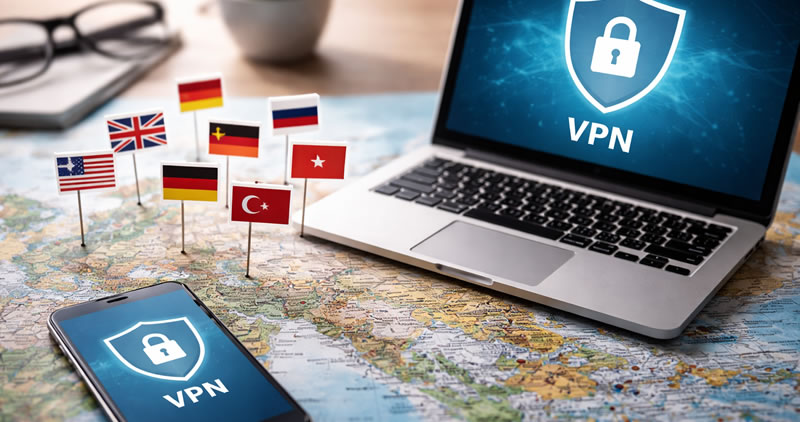
Examples include the United States, the United Kingdom, Canada, Germany, and Turkey. In these countries, individuals are free to use VPNs to secure their internet traffic, protect personal data, or connect to remote services.
That said, legality does not mean immunity. If a VPN is used for illegal activities—such as hacking, fraud, or large-scale copyright violations—the user can still face legal consequences. In Turkey specifically, VPN usage is legal, but authorities may impose temporary restrictions during periods of heightened concern for public order or national security.
Category 2: VPNs Are Restricted or Closely Monitored
Some countries allow VPN use only under strict conditions.
China, Russia, Iran, Belarus, and Turkmenistan fall into this category. In these regions, only government-approved VPN services may be legally used. Unauthorized VPNs, especially those designed to bypass state censorship, can lead to fines or more serious penalties.
For instance, in China, businesses may use licensed VPNs for international operations, but individuals using unapproved services to access blocked platforms can face enforcement actions. Here, VPNs are tolerated only when they align with government oversight.
Category 3: VPN Use Is Effectively Banned
In a small number of places, VPN use is either outright banned or so tightly controlled that it is practically unavailable.
North Korea is the most extreme example, with near-total control over internet access. In certain regions of Iraq, VPN use has also faced severe restrictions due to security concerns. In these environments, VPN usage may carry serious legal risks.
Important Caveats and Grey Areas
Even in countries where VPNs are legal, grey zones remain.
Using a VPN to bypass streaming platform restrictions, such as accessing another country’s Netflix library, usually violates the service’s terms of use. This is not typically a criminal offense, but it can result in account suspension or termination.
Workplace policies are another consideration. Using a personal VPN on a corporate network may violate internal IT rules, even if it is legal under national law.
Finally, users should be cautious of exaggerated marketing claims. Promises of being “100% anonymous” should raise eyebrows. Trustworthy providers are transparent about limitations and often operate under a no-logs policy, meaning they do not store identifiable user activity.
Practical Advice for VPN Users
Before using a VPN, especially while traveling, it is wise to research the digital laws of your destination country. Regulations can change, sometimes quickly.
Choosing a reputable VPN provider with clear privacy policies, strong encryption, and a proven track record is equally important. A VPN should be treated as a security tool, not a legal loophole.
When uncertainty exists, particularly in restrictive countries, seeking local legal advice can prevent costly mistakes.
Conclusion: Legality Depends on Where—and How—you Use It
In most parts of the world, VPNs are legal tools designed to enhance privacy and security. Problems arise when they are used to break laws or deliberately bypass regulations. Geography matters, context matters, and intent matters most of all.
Being informed is the first step toward staying safe online. A VPN can protect your data, but understanding the legal landscape protects you.
Related Posts
Free vs Paid VPNs: Key Differences in Privacy, Security, and Performance
A free VPN can feel like a small victory. One click, a promise of privacy, no credit card required. It sounds almost too good to question. And yet, in the digital world, convenience often comes with invisible strings attached. When it comes to VPNs, the real cost is not always measured in money, but in speed, privacy, and trust.So the real question is not “Why pay for a VPN?” but rather “What am I giving up if I don’t?”
What Is a VPN? How It Works and Why It Matters for Online Security
Every time you connect to the internet, you leave behind a trail of data—often without realizing how visible it is or who might be watching. From public Wi-Fi networks to data-hungry platforms and cybercriminals, the modern internet is not exactly a private place. This is where a VPN quietly steps in. Not as a flashy tool, but as a practical layer of digital protection that helps you take back control of your online presence.
Understanding what a VPN is—and what it is not—is an essential part of digital literacy today.
What Is a VPN? How It Works and Why It Matters for Your Online Security
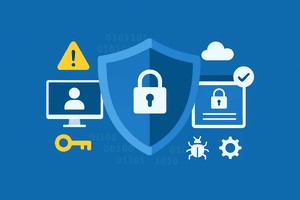
A Virtual Private Network, or VPN, is one of those technologies that quietly works behind the scenes to protect your privacy while you browse, stream, or work online. It routes your internet traffic through an encrypted tunnel and masks your IP address, making it far harder for advertisers, hackers, or even your internet provider to track what you do. Understanding how VPNs work isn’t just for tech professionals anymore—it's a practical skill that helps anyone stay safe in a world where digital surveillance grows by the day.

Pupuler Post