
Social Engineering Attacks: The Psychology, the Mechanics, and the Legal Fallout

Social engineering attacks bypass firewalls by targeting human psychology. Authority, urgency, trust, and cognitive bias are weaponized to turn employees into entry points.
This section explores how modern social engineering campaigns are built — from psychological manipulation and technical deception to real-world attack anatomy and legal consequences under GDPR and global data protection laws.
Cybersecurity in 2025: VPNs, Proxies, and DDoS Protection in a Changing Threat Landscape

Cybersecurity in 2025 looks very different from previous years. VPNs are no longer just privacy tools, proxy infrastructures have become part of both defense and abuse, and DDoS attacks are shorter, smarter, and harder to detect.
This in-depth guide explores real-world U.S.-focused scenarios, regulatory realities, and modern protection strategies shaping VPN, proxy, and DDoS security in 2025.
What Is a VPN? How It Works and Why It Matters for Your Online Security
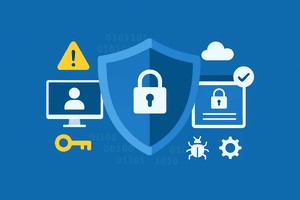
A Virtual Private Network, or VPN, is one of those technologies that quietly works behind the scenes to protect your privacy while you browse, stream, or work online. It routes your internet traffic through an encrypted tunnel and masks your IP address, making it far harder for advertisers, hackers, or even your internet provider to track what you do. Understanding how VPNs work isn’t just for tech professionals anymore—it's a practical skill that helps anyone stay safe in a world where digital surveillance grows by the day.
What Is Two-Factor Authentication (2FA) and Why Should You Use It?
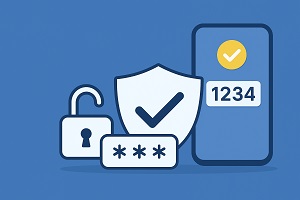
Passwords alone are no longer enough to keep your online accounts safe. Cybercriminals have countless ways to guess, steal, or crack them. Two-factor authentication, or 2FA, adds a critical extra layer of protection by requiring not just something you know, but also something you have or something you are. It’s a simple upgrade that dramatically reduces the chances of unauthorized access, yet many users still underestimate its importance. Understanding how 2FA works can help you stay one step ahead in a world overflowing with digital threats.
Ransomware: What It Is and How to Protect Yourself
Ransomware rarely knocks before it enters. One moment your screen is calm and familiar, and the next, your files are locked away as if someone has quietly turned the key from the outside. Criminal groups have shaped ransomware into a meticulous, money-driven craft, mixing technical sabotage with psychological pressure. The more clearly you understand how these attacks unfold, the better equipped you are to keep a bad day from turning into a catastrophe.
Malware: What It Is, Common Types, Infection Methods & How to Protect Yourself
Malware is one of the most widespread digital threats today. This guide explains what malware is, how it works, how it infects devices, and how to protect yourself in 2025.
Phishing: What It Is and How to Protect Yourself from Deceptive Emails and Identity Theft
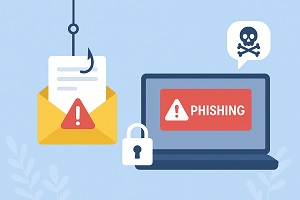
Phishing attacks rarely look dangerous at first glance. That’s their charm — and their trap. A message that feels routine can quietly pry open your digital life unless you know what to look for. Understanding how phishing works is the first step toward staying one step ahead.
Strong Password Techniques: How to Stay Safe Online
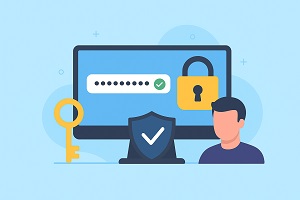
A single password can feel like a small thing—just a string of characters you type without thinking. Yet it often stands as the only barrier between your personal life and someone eager to pry it open. Weak passwords crack faster than thin ice, and attackers know exactly where to stomp. Building stronger ones isn’t about paranoia; it’s about not handing over the keys to your digital house.
The Most Common Cyber Threats: Phishing, Malware, Ransomware & More
Cyber threats are evolving faster than ever, and even the most basic online activities—checking email, shopping, or downloading an app—can expose users to digital risks. Cybercriminals now use highly sophisticated methods, blending social engineering, malicious software, and automated attacks to exploit individuals and organizations. This guide breaks down the most common types of cyber threats, explains how they work, and provides clear steps anyone can take to stay protected.
Cybersecurity Explained: Key Concepts & A Beginner-Friendly Guide (2025)
Cybersecurity is no longer a topic reserved for IT departments. Every device we use, every cloud account we create, and every digital service we rely on is part of a vast and fragile ecosystem. This guide breaks down cybersecurity in plain, accessible language so beginners can understand how threats work and how to stay safe.

Pupuler Post